
Pain
-
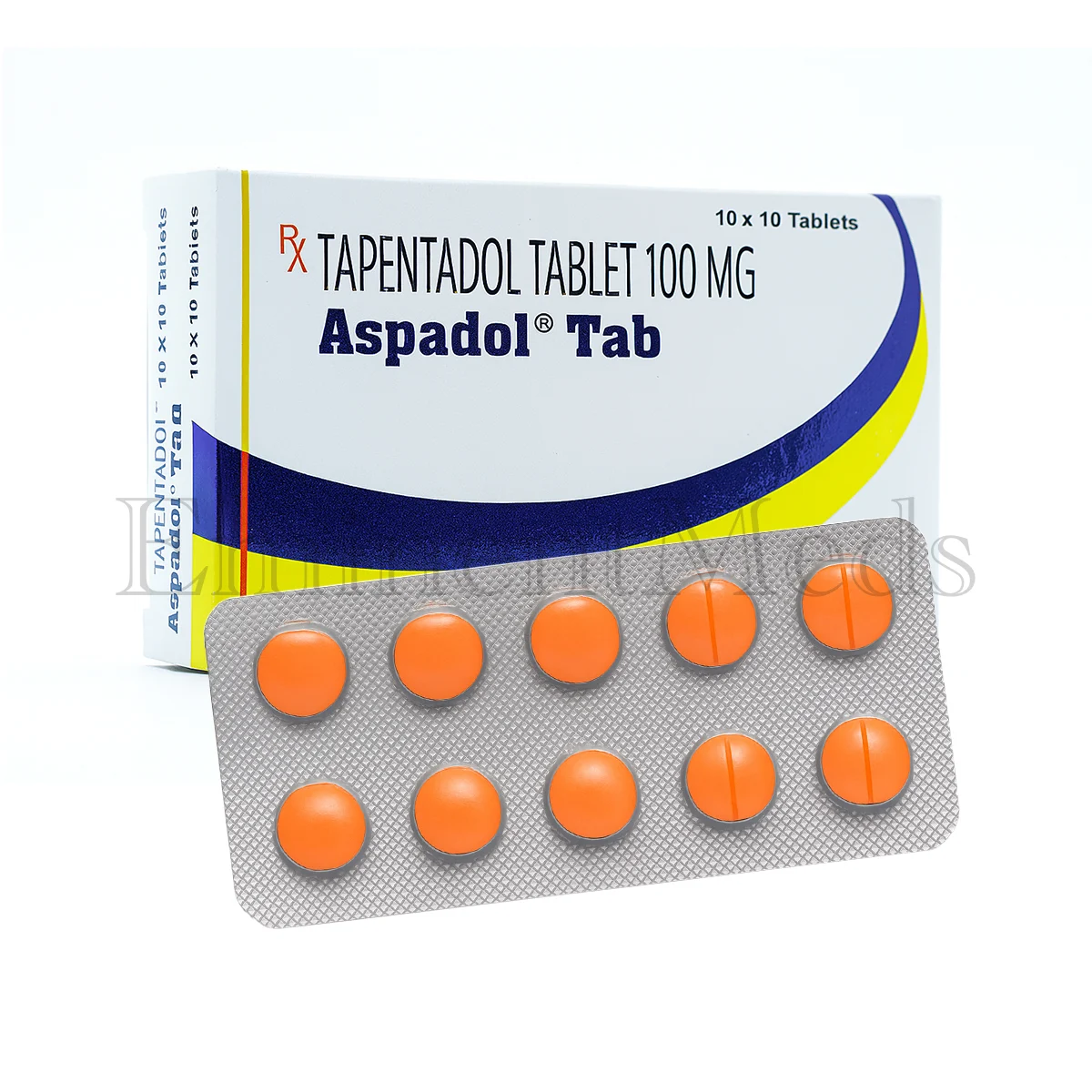
Aspadol 100 Mg
Select options This product has multiple variants. The options may be chosen on the product page -
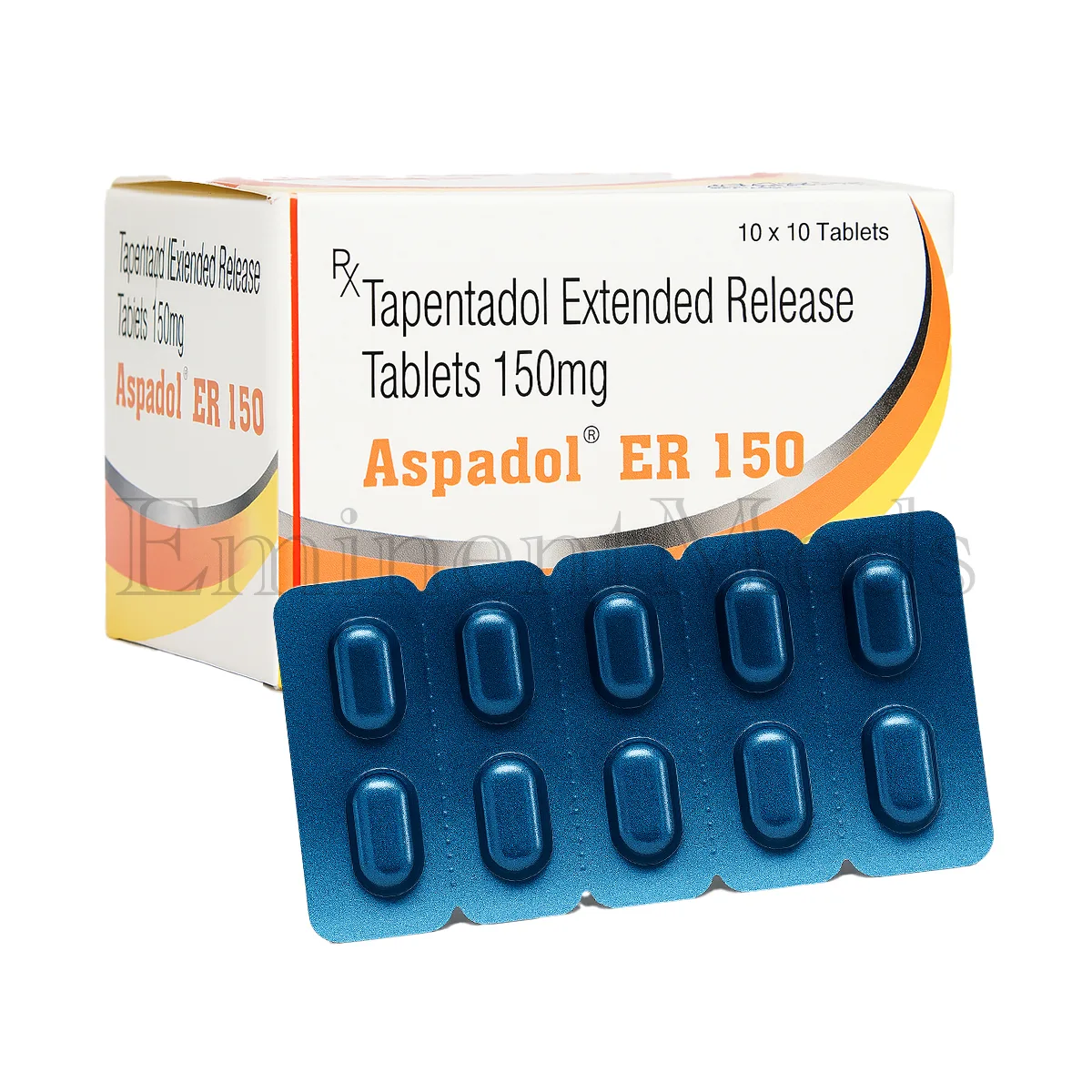
Aspadol 150 Mg
Select options This product has multiple variants. The options may be chosen on the product page -
Aspadol 200 Mg
Select options This product has multiple variants. The options may be chosen on the product page -
Aspadol 50 Mg
Select options This product has multiple variants. The options may be chosen on the product page -
Aspadol 75 Mg
Select options This product has multiple variants. The options may be chosen on the product page -
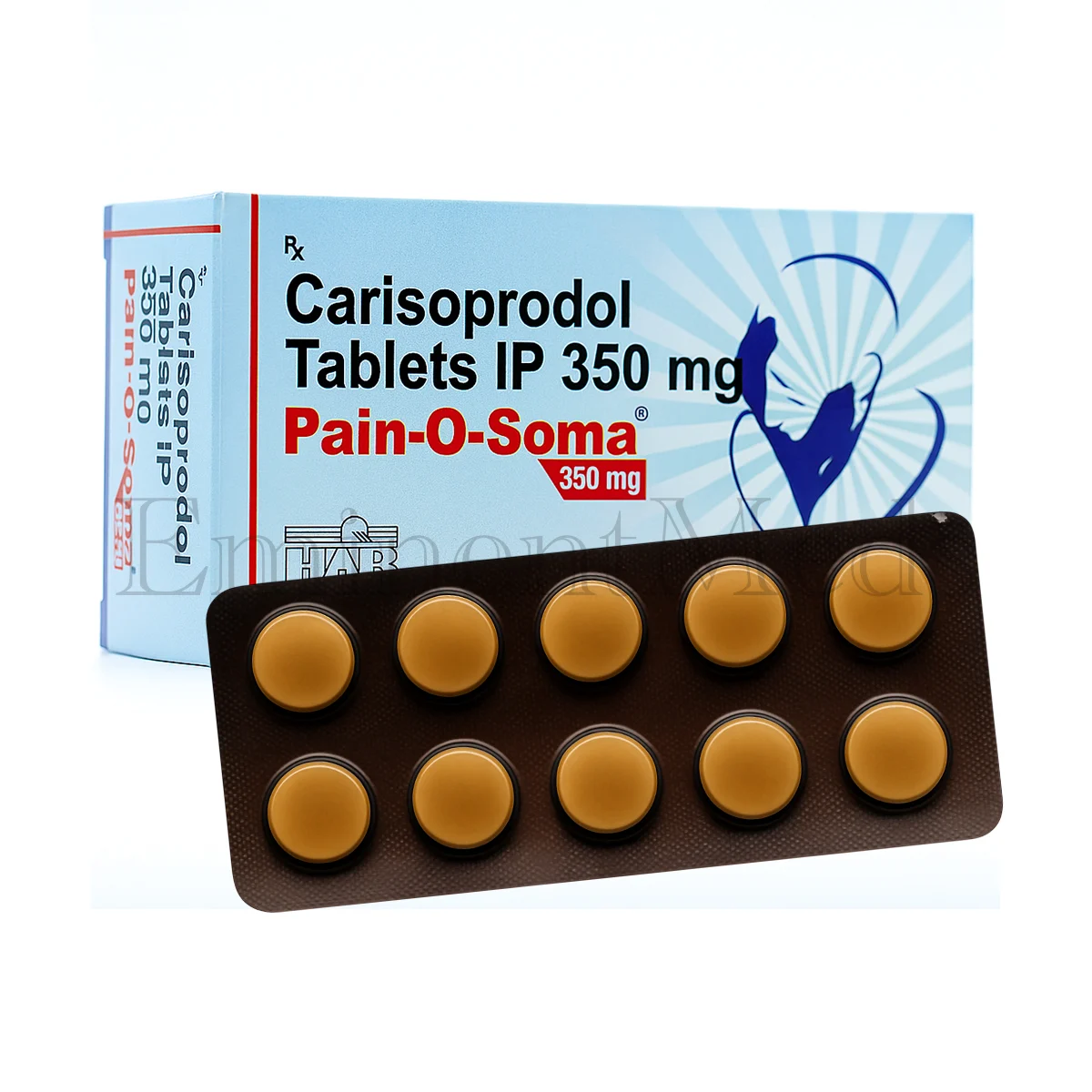
Pain O Soma 350 Mg
Select options This product has multiple variants. The options may be chosen on the product page -
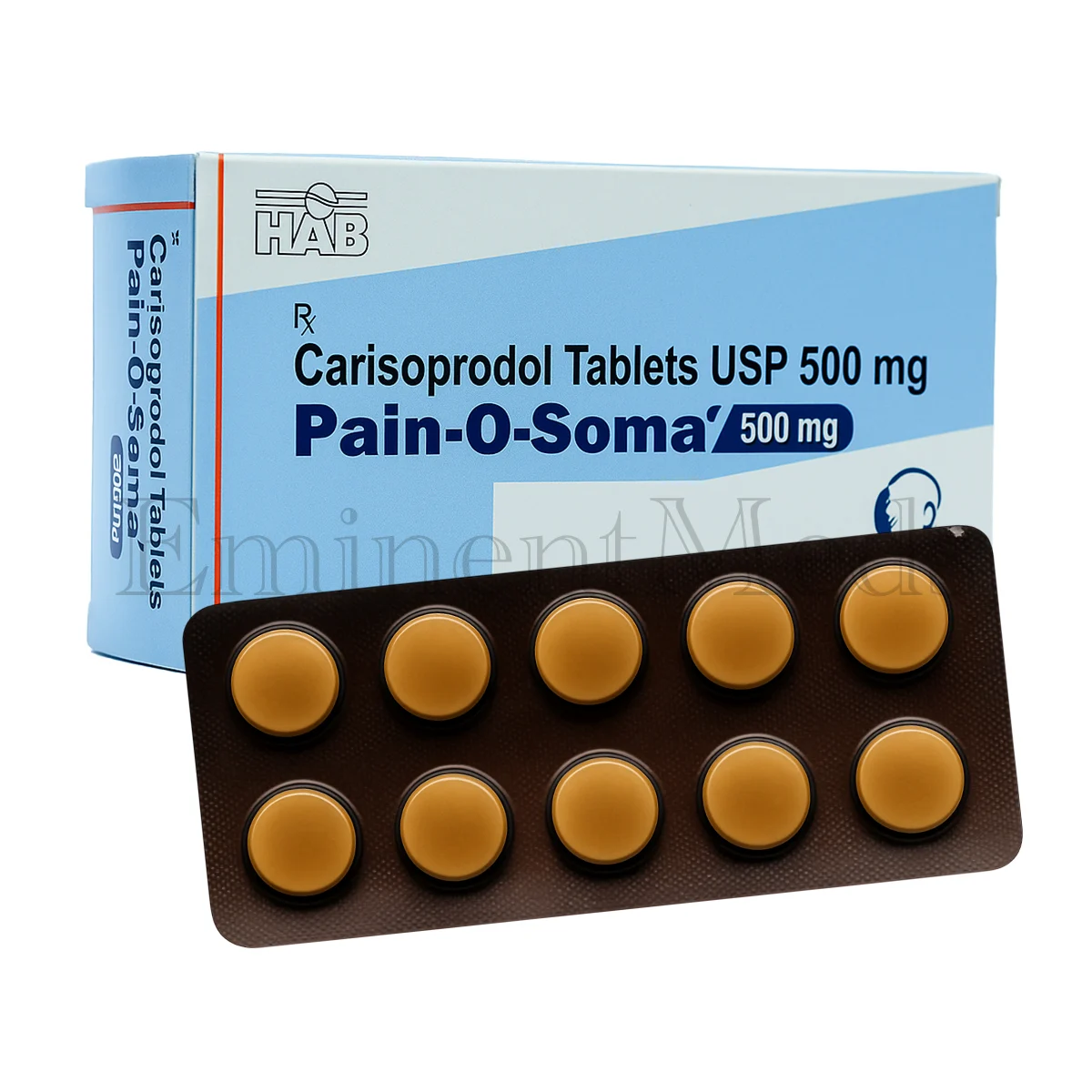
Pain O Soma 500 Mg
Select options This product has multiple variants. The options may be chosen on the product page -
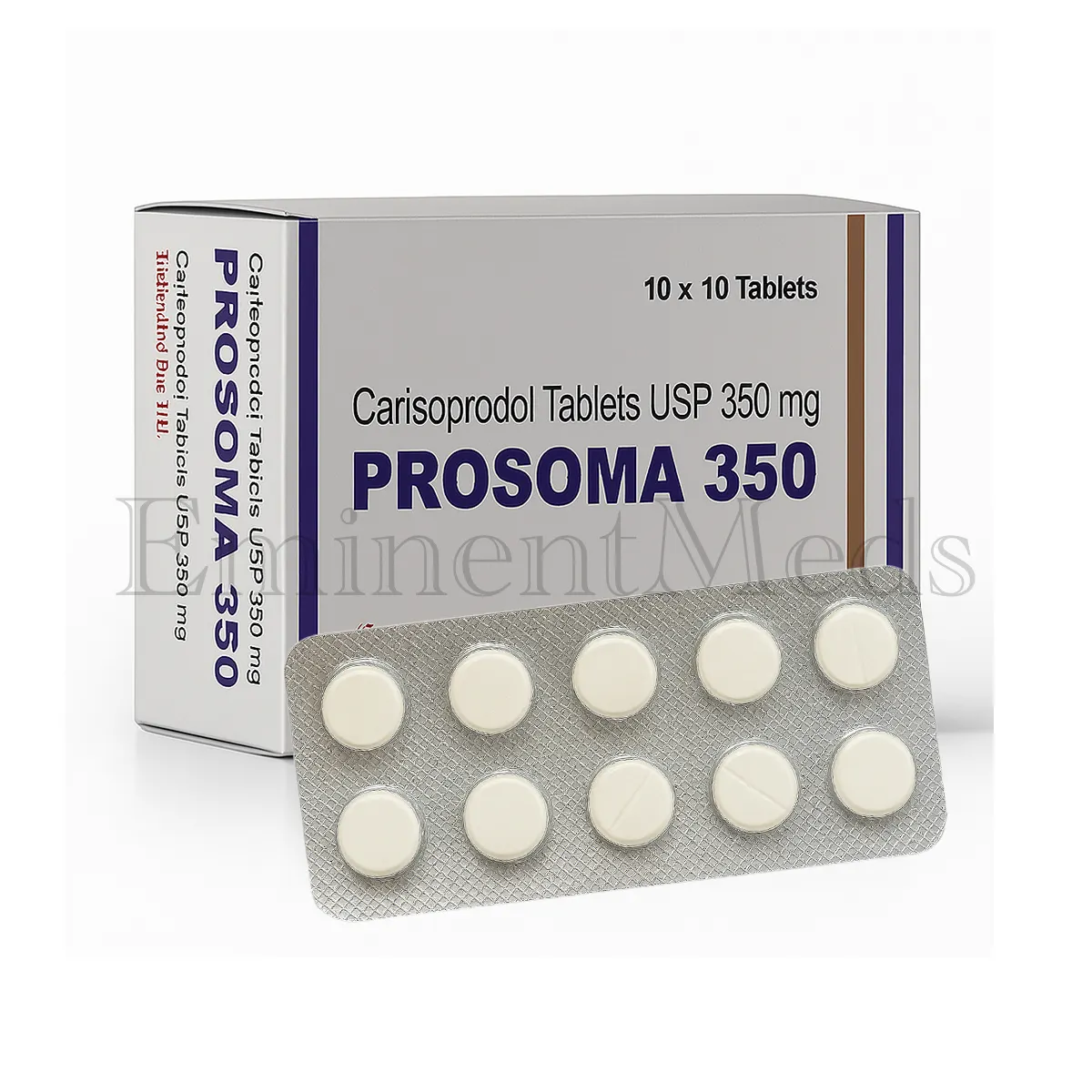
Prosoma 350 Mg
Select options This product has multiple variants. The options may be chosen on the product page -
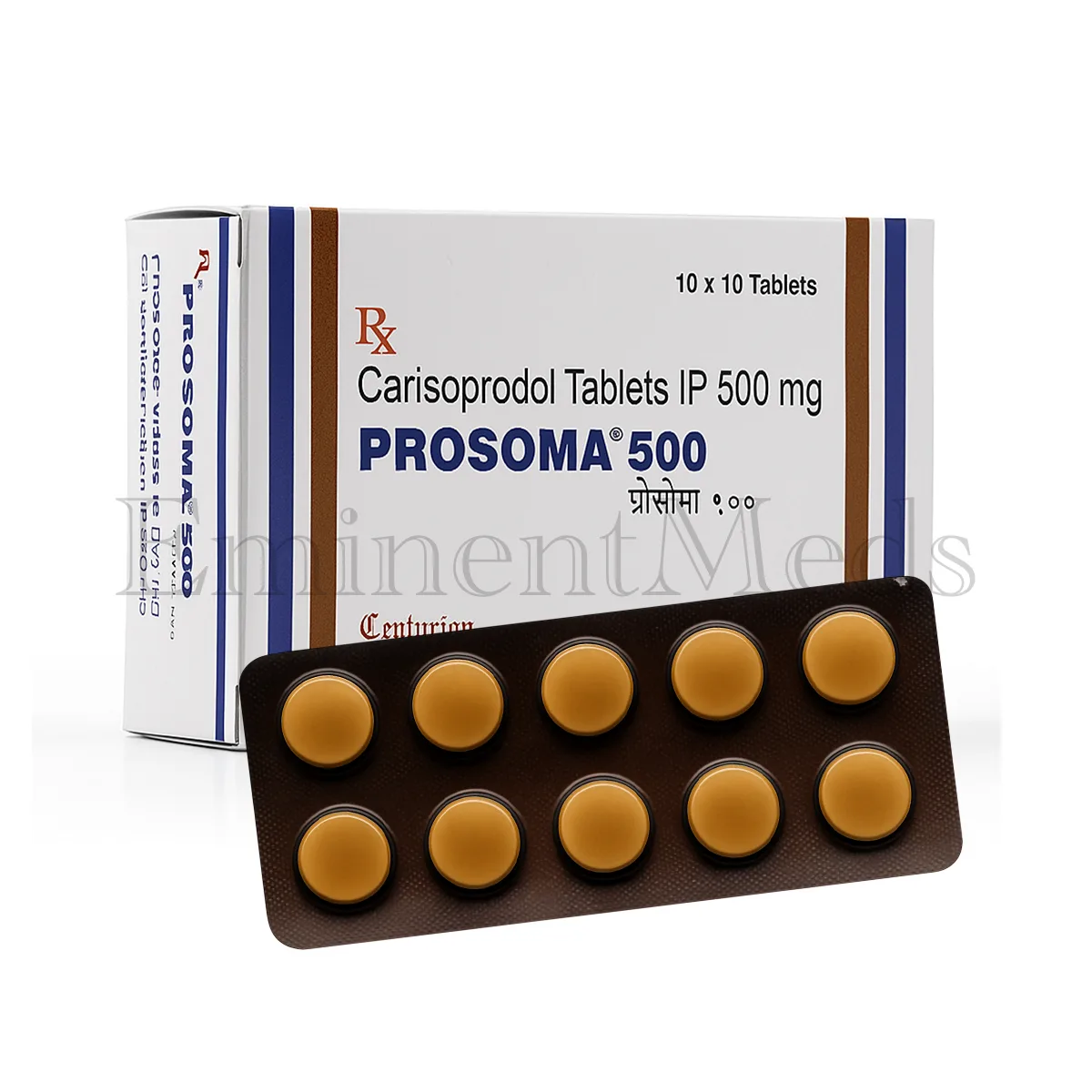
Prosoma 500 Mg
Select options This product has multiple variants. The options may be chosen on the product page -
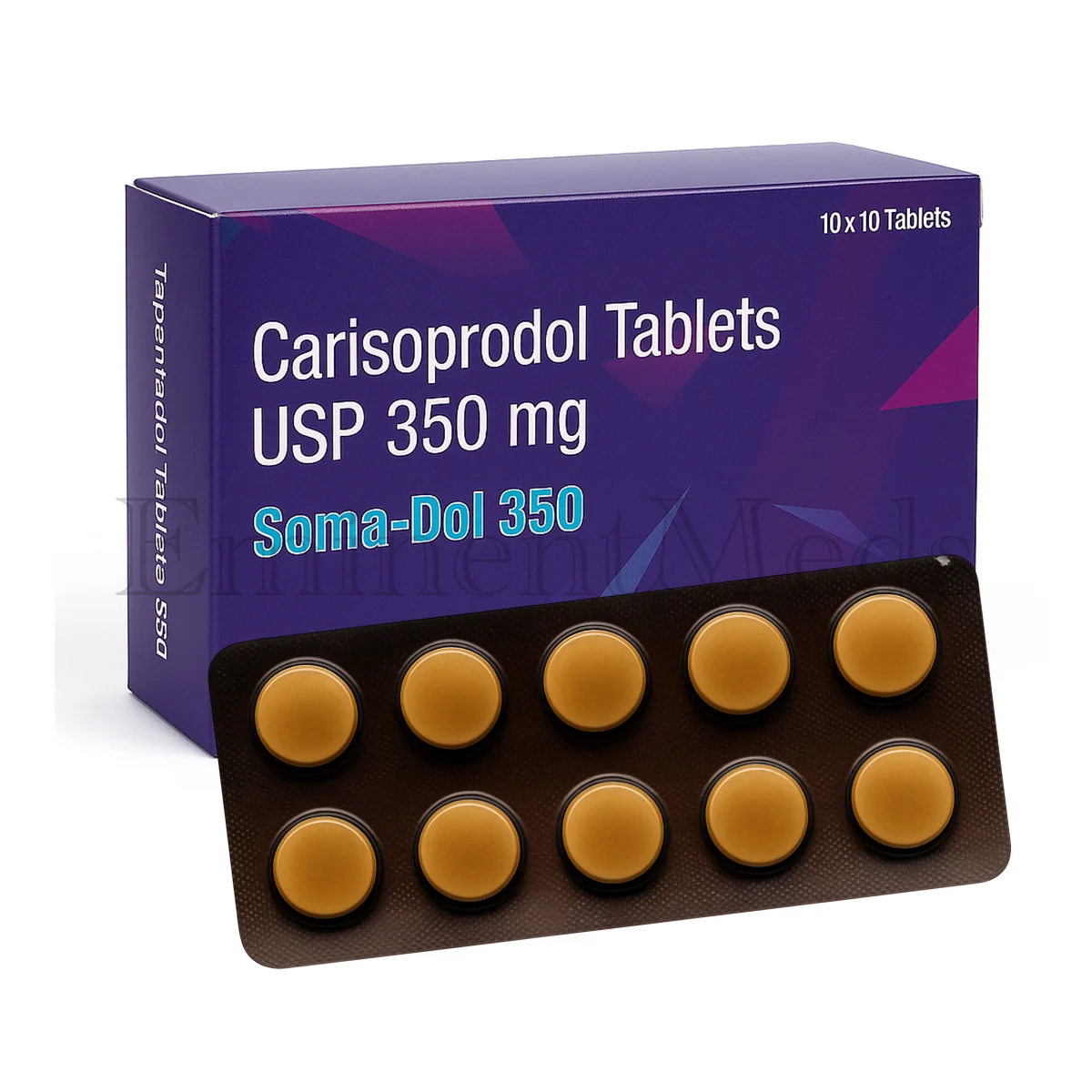
Soma Dol 350 Mg
Select options This product has multiple variants. The options may be chosen on the product page -
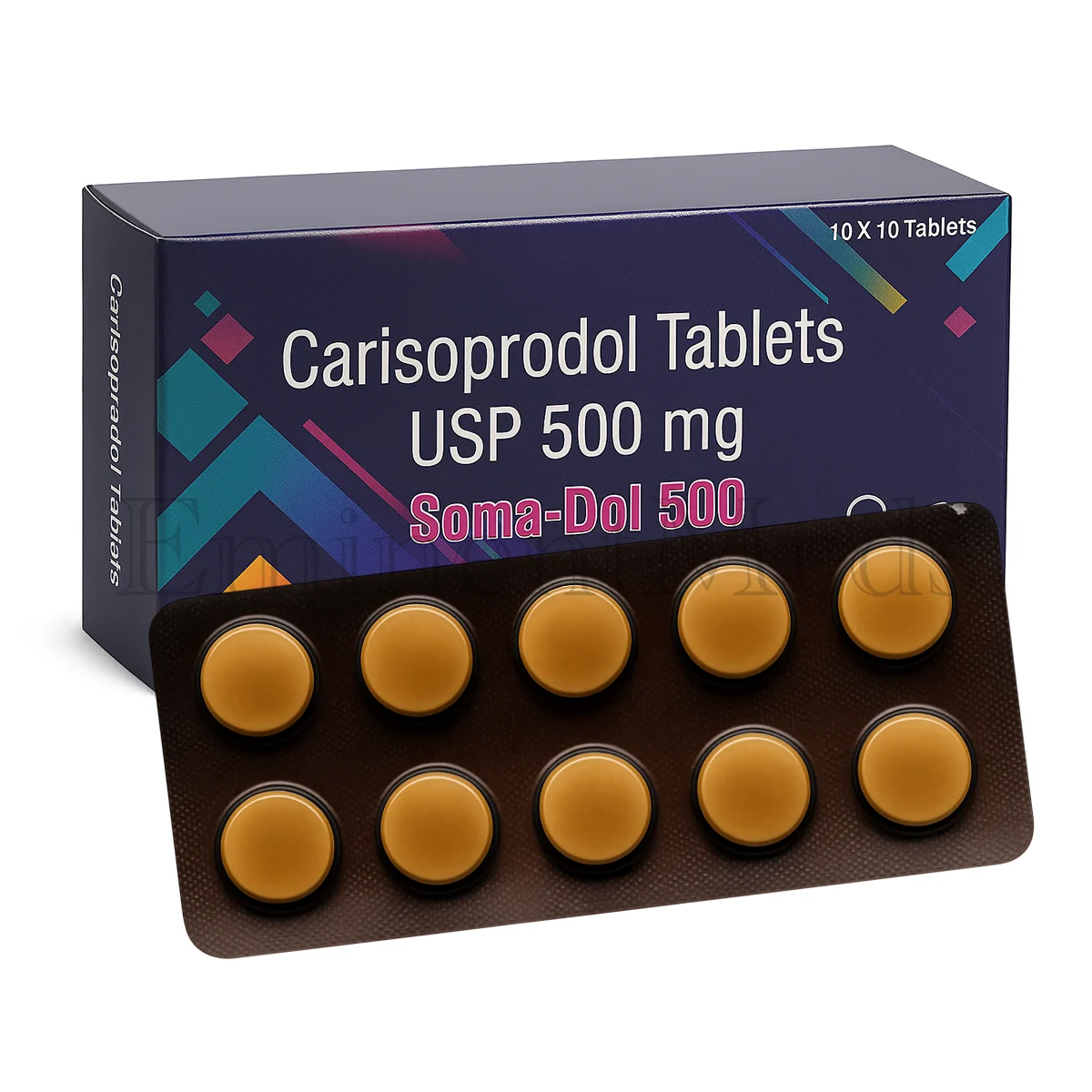
Soma Dol 500 Mg
Select options This product has multiple variants. The options may be chosen on the product page -
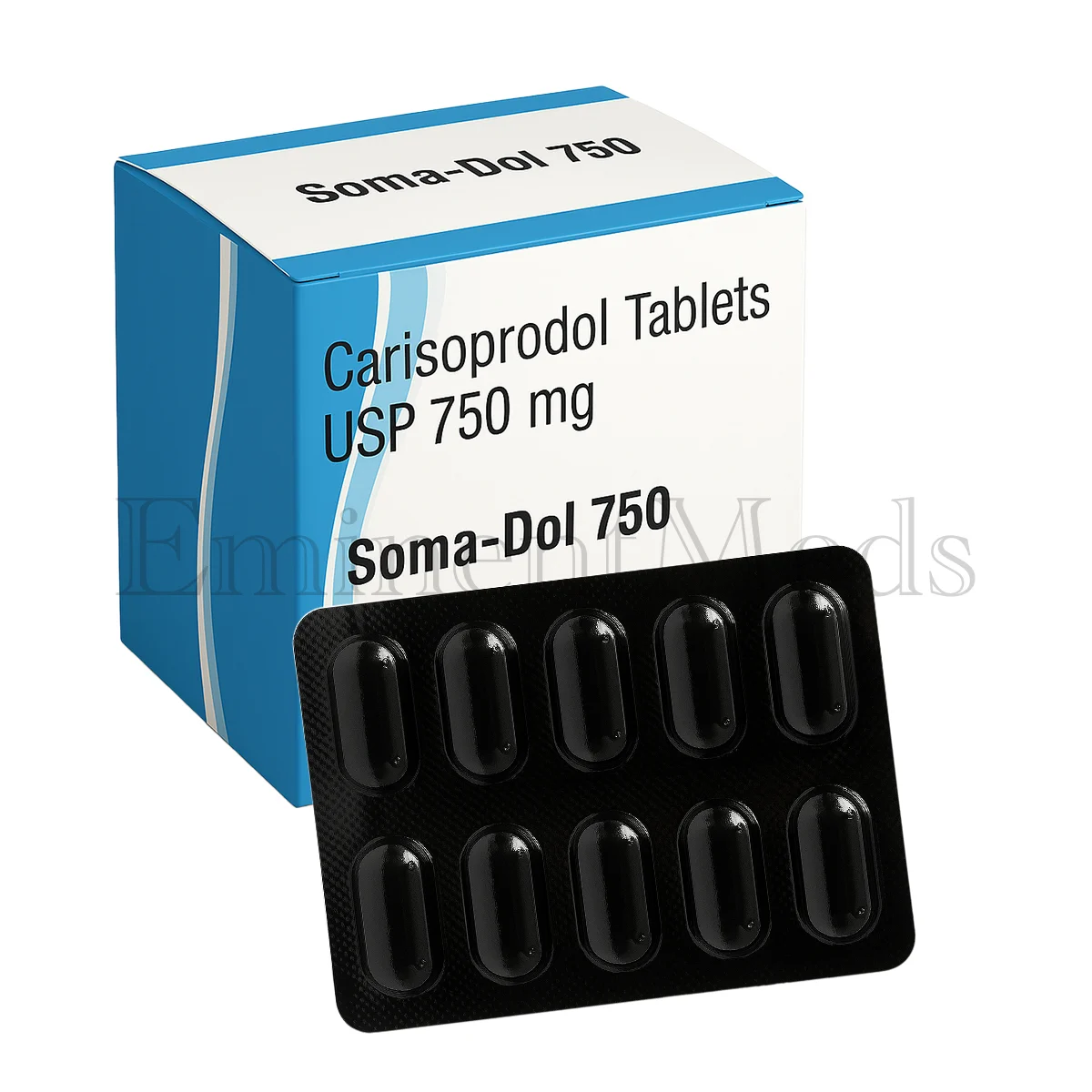
Soma Dol 750 Mg
Select options This product has multiple variants. The options may be chosen on the product page



What Is Pain?
Pain is one of the body’s most important protective sensations. It acts as a warning signal that alerts us to potential injury, illness, or damage. Specialized nerve receptors respond to harmful stimuli such as injury, inflammation, or tissue damage and transmit signals to the brain, where the sensation is perceived as pain.
Although pain serves a protective function, persistent or severe pain can interfere with daily activities, reduce quality of life, and cause emotional distress. Effective pain management helps individuals regain comfort, mobility, and overall well-being.
Types of Pain
Pain can be classified into several types based on its cause, duration, and underlying mechanism:
Acute Pain
Acute pain occurs suddenly and is often sharp in nature. It is commonly caused by injury, surgery, or illness and usually resolves once the underlying cause is treated.
Chronic Pain
Chronic pain persists for weeks, months, or longer, even after the original injury or condition has healed. Conditions such as arthritis, chronic back pain, and long-term nerve damage often fall into this category.
Neuropathic Pain
Neuropathic pain results from damage or dysfunction of the nerves. It is often described as burning, tingling, stabbing, or electric-shock-like pain. Conditions such as diabetic neuropathy can cause this type of pain.
Nociceptive Pain
This type of pain arises from tissue injury and includes:
- Somatic pain: Originates from skin, muscles, bones, or joints (for example, a sprained ankle).
- Visceral pain: Originates from internal organs (such as abdominal pain).
Referred Pain
Referred pain is felt in a different part of the body from where the actual injury or problem is located. For example, pain from a heart condition may be felt in the left arm or shoulder.
Phantom Pain
Phantom pain occurs after the amputation of a limb, where the individual feels pain or sensations in the missing body part. These sensations can feel very real and distressing.
Understanding Pain Medications
Pain medications are used to manage both acute and chronic pain by reducing discomfort and inflammation. They are available in various forms, including tablets, capsules, ointments, gels, creams, and patches. Different formulations and brands are designed to address specific types and severities of pain.
Uses of Pain Relievers
Pain relievers are commonly used for:
- Pain resulting from injuries such as fractures or sprains.
- Short-term pain such as headaches or post-surgical discomfort.
- Menstrual cramps and muscle aches.
- Chronic pain conditions such as arthritis, back pain, or cancer-related pain.
- Reducing inflammation associated with various medical conditions.
Categories of Pain Medications
Pain management often involves different classes of medications depending on the type and severity of pain. Broadly, pain medicines can be categorized into over-the-counter (OTC) options and prescription medications.
Prescription Pain Relievers
- Opioids:- Opioids work by altering how the brain and nervous system perceive pain. They are used for moderate to severe pain under strict medical supervision due to the risk of dependence.
- Corticosteroids:- These medications help reduce inflammation and are often used in conditions such as arthritis and autoimmune disorders to relieve pain and swelling.
- Muscle Relaxants:- Muscle relaxants act on the central nervous system to relieve pain caused by muscle spasms and tightness.
- Certain Antidepressants:- Some antidepressants, such as tricyclic antidepressants, are used in pain management because they affect pain pathways in the nervous system, particularly in chronic and neuropathic pain.
- Anti-Anxiety Medications:- In some cases, anti-anxiety medicines are used as part of pain management to help reduce muscle tension and stress-related discomfort that can worsen pain perception.


