
Erectile Dysfunction
-
Avanair 100 Mg
Select options This product has multiple variants. The options may be chosen on the product page -
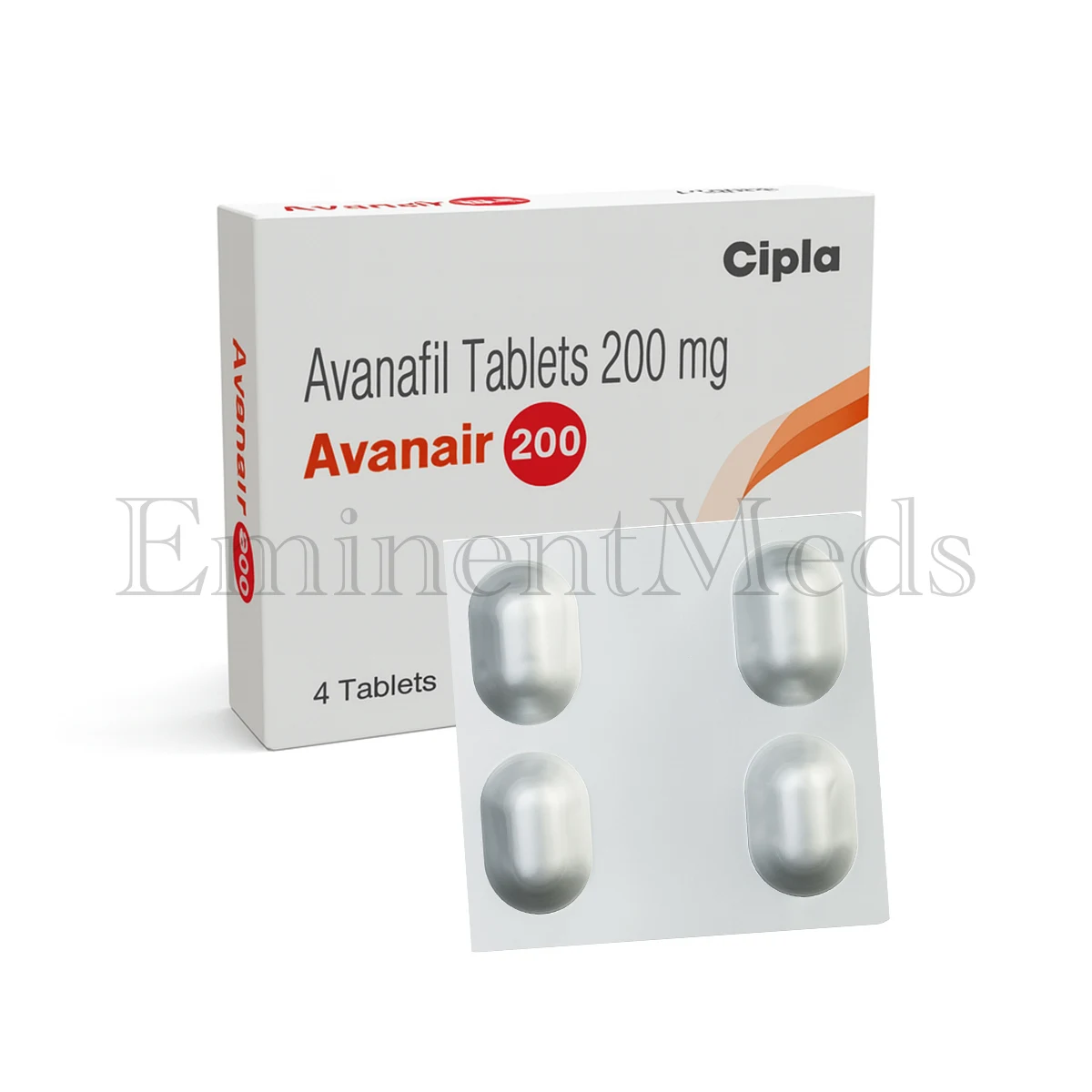
Avanair 200 Mg
Select options This product has multiple variants. The options may be chosen on the product page -
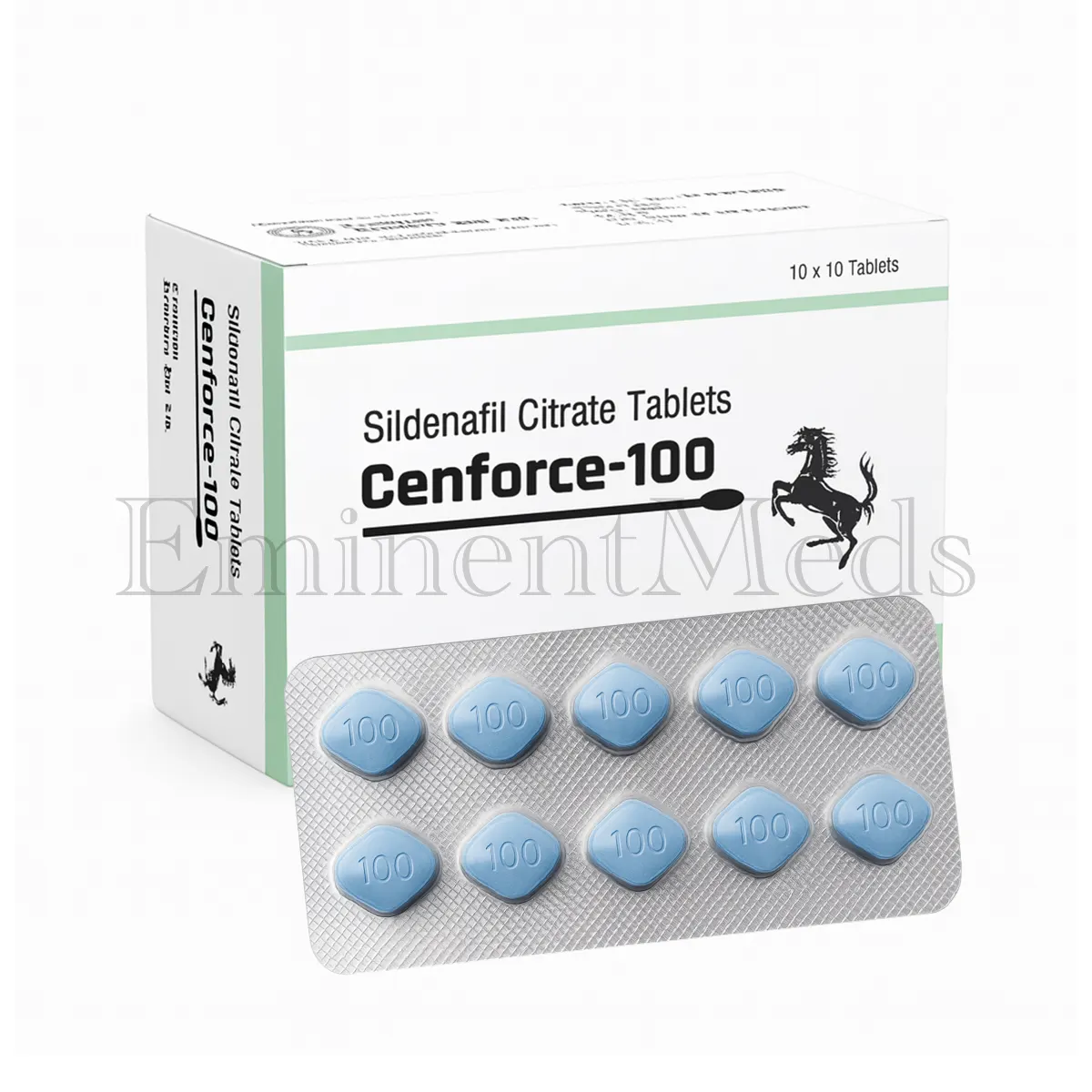
Cenforce 100 Mg
Select options This product has multiple variants. The options may be chosen on the product page -
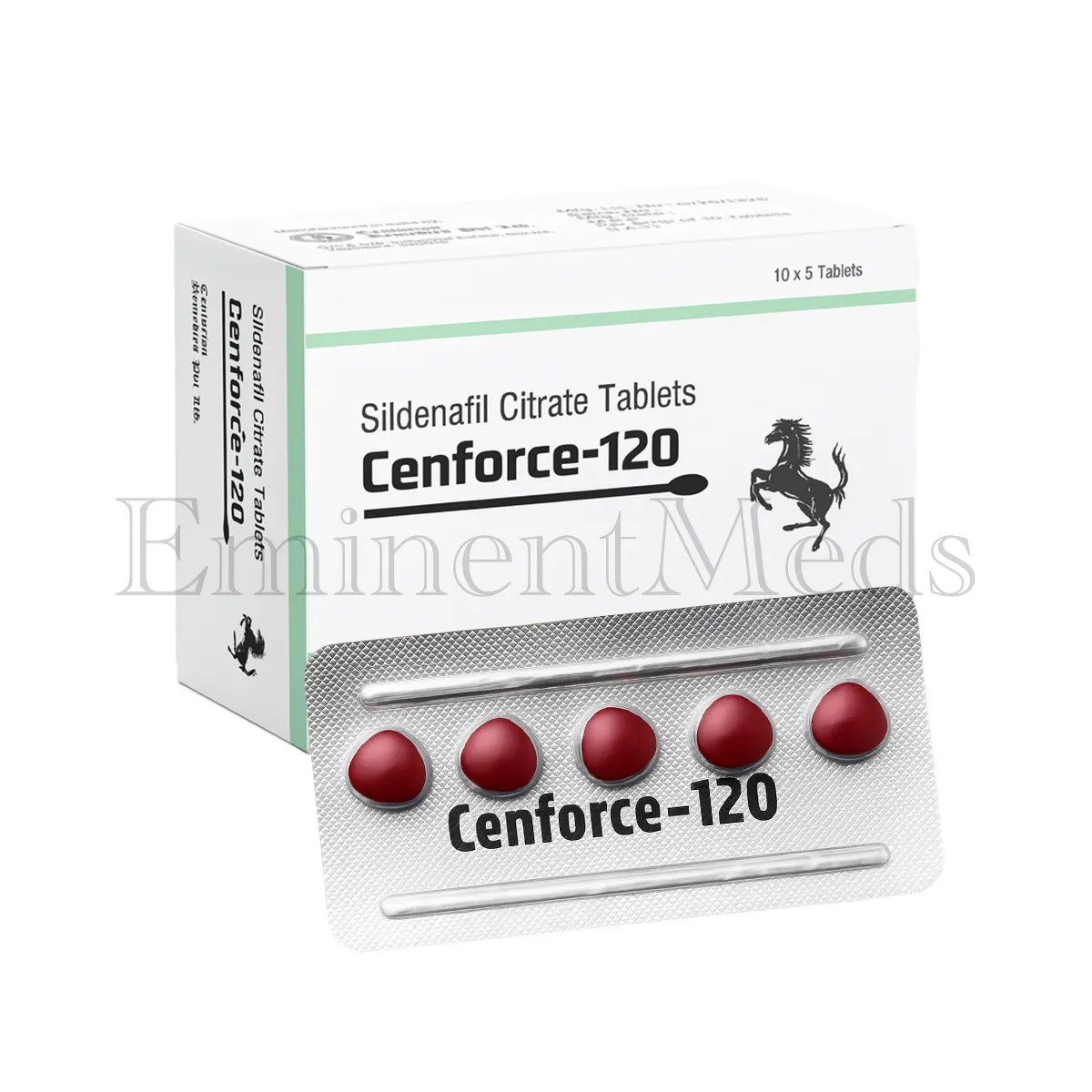
Cenforce 120 Mg
Select options This product has multiple variants. The options may be chosen on the product page -
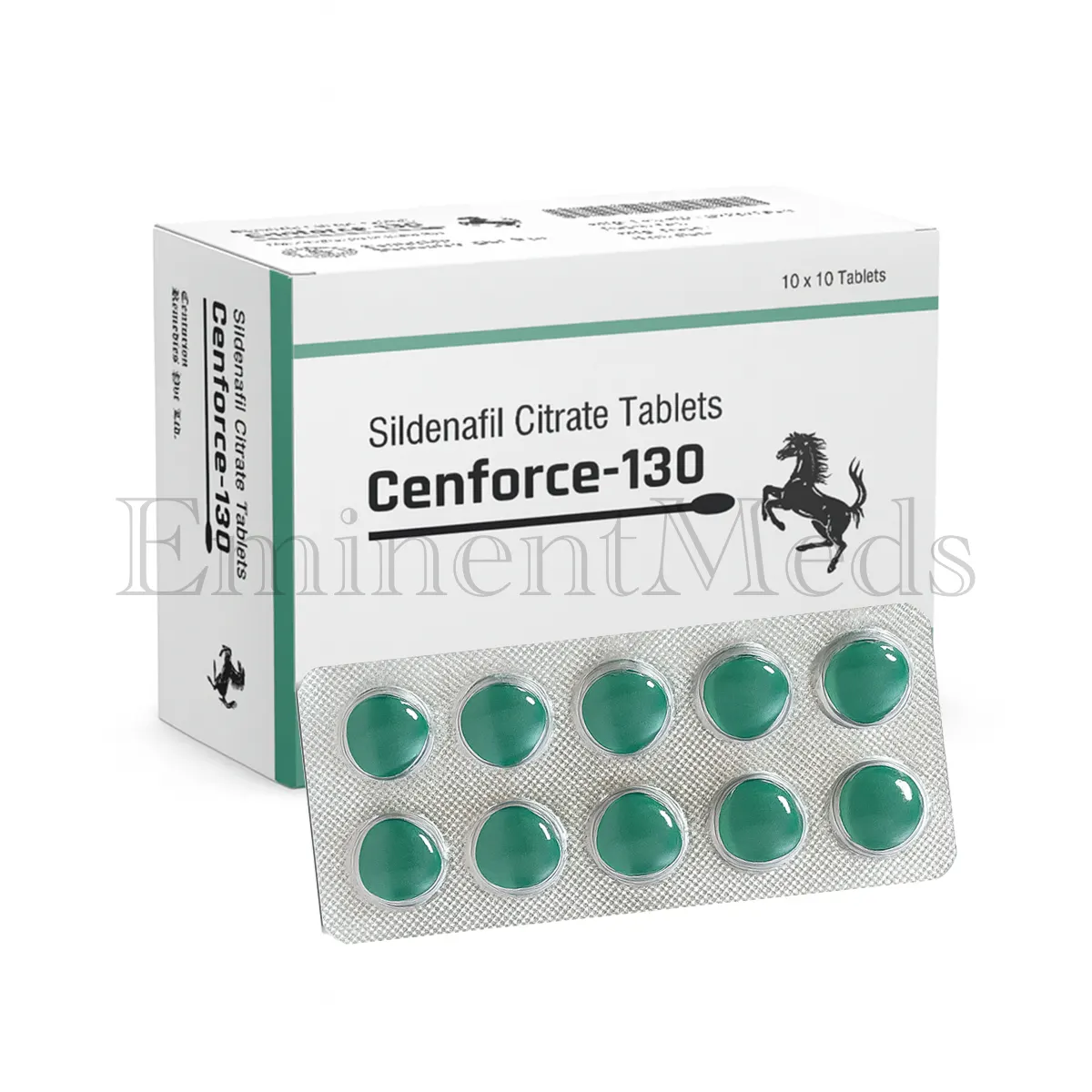
Cenforce 130 Mg
Select options This product has multiple variants. The options may be chosen on the product page -
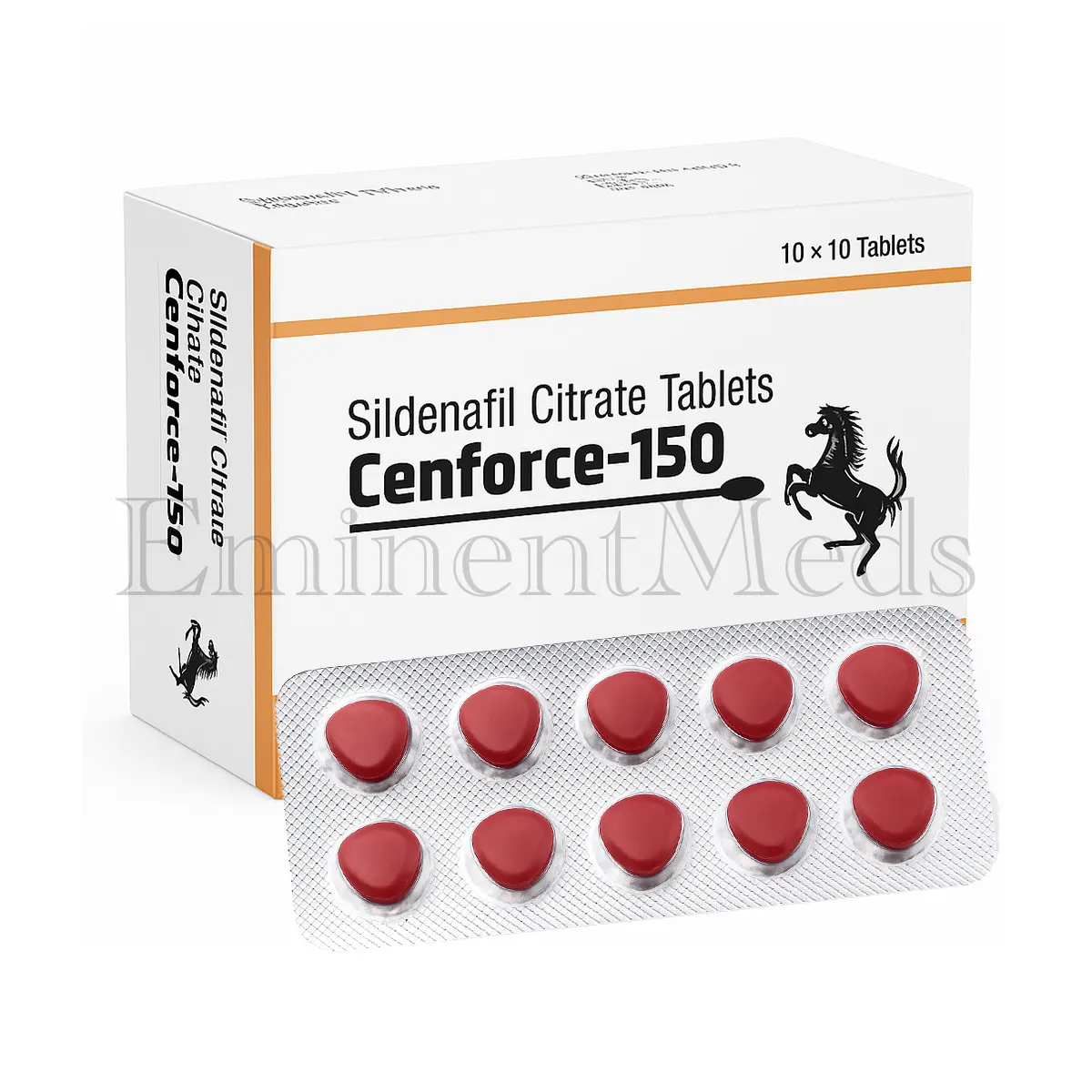
Cenforce 150 Mg
Select options This product has multiple variants. The options may be chosen on the product page -
Cenforce 200 Mg
Select options This product has multiple variants. The options may be chosen on the product page -
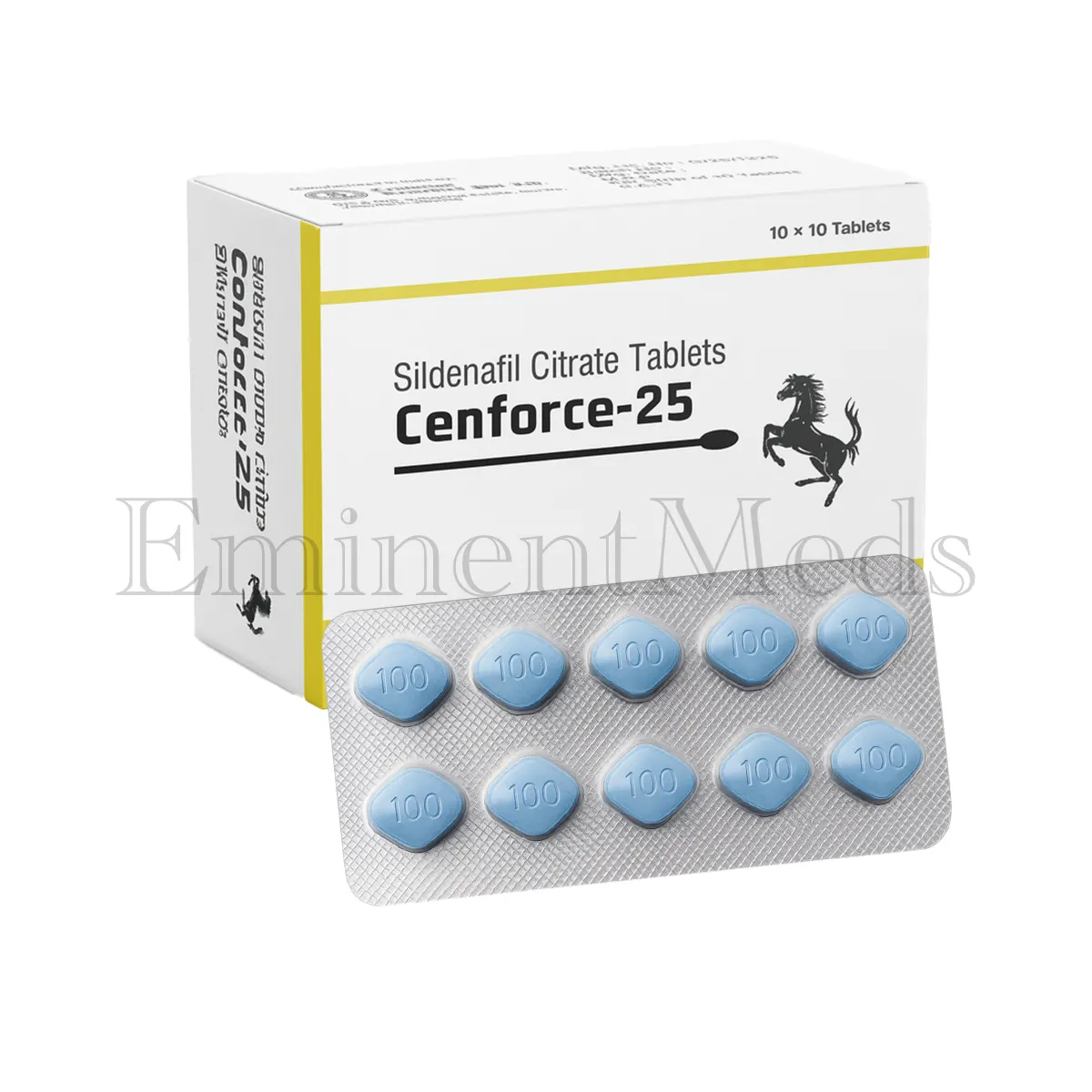
Cenforce 25 Mg
Select options This product has multiple variants. The options may be chosen on the product page -
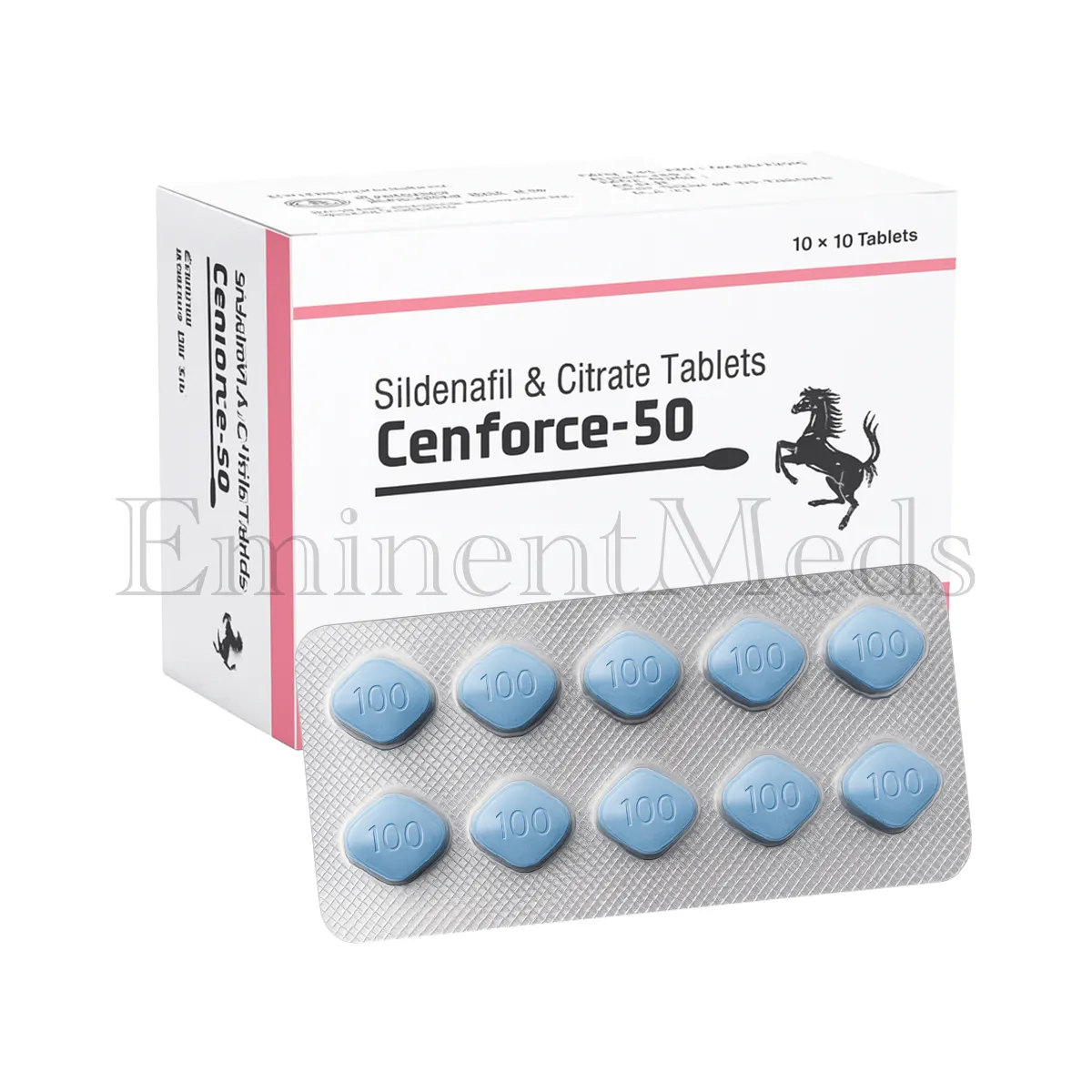
Cenforce 50 Mg
Select options This product has multiple variants. The options may be chosen on the product page -
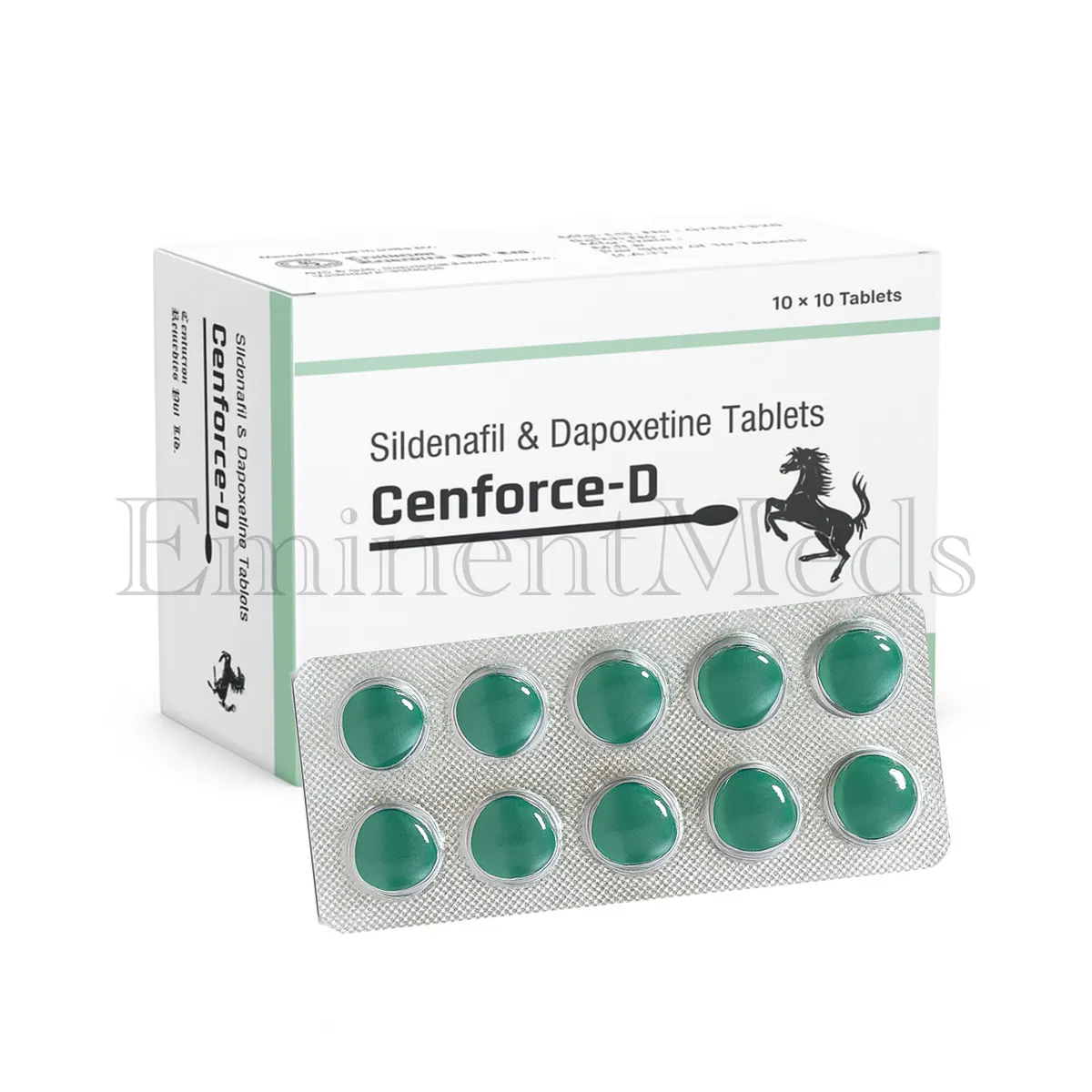
Cenforce D
Select options This product has multiple variants. The options may be chosen on the product page -
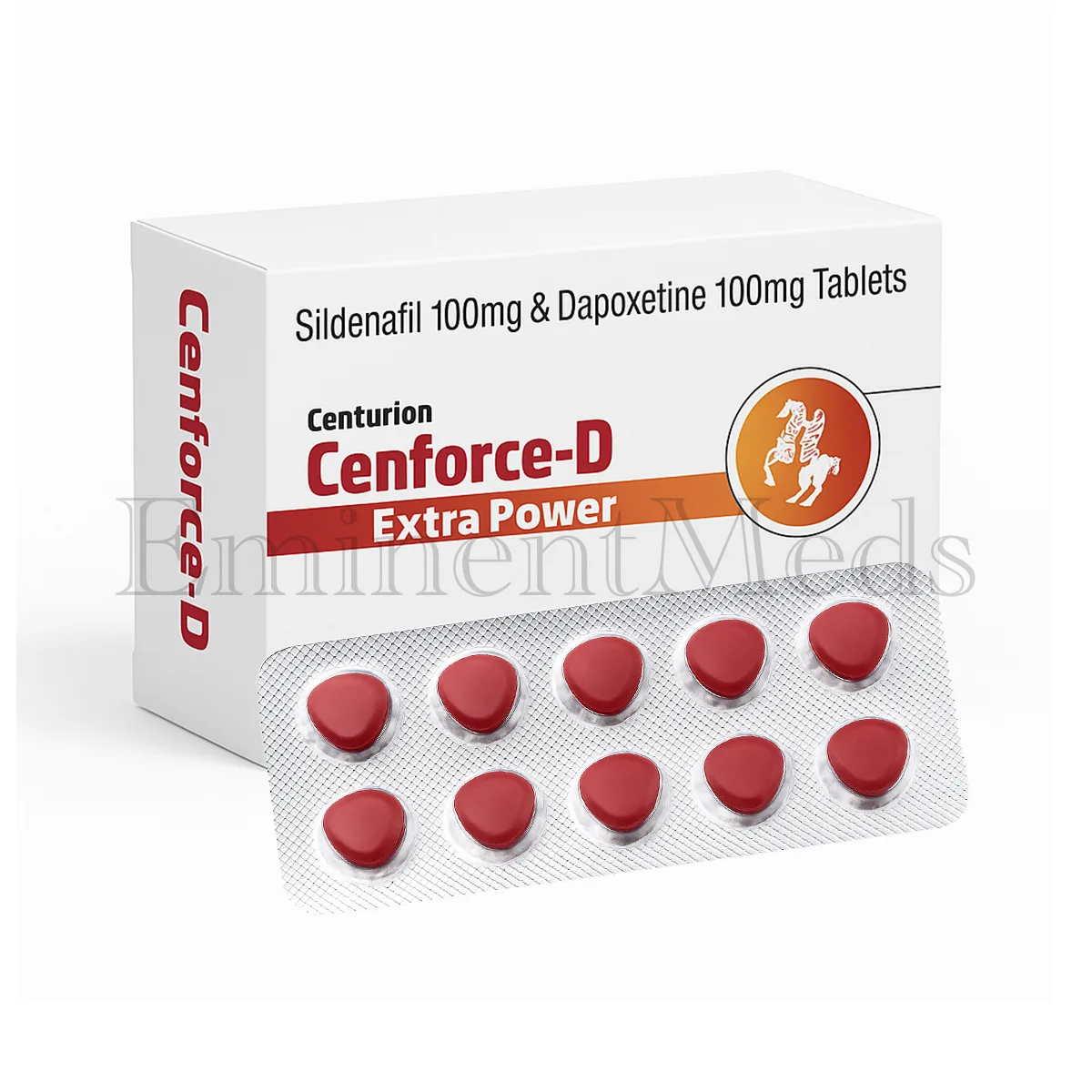
Cenforce D Extra Power
Select options This product has multiple variants. The options may be chosen on the product page -
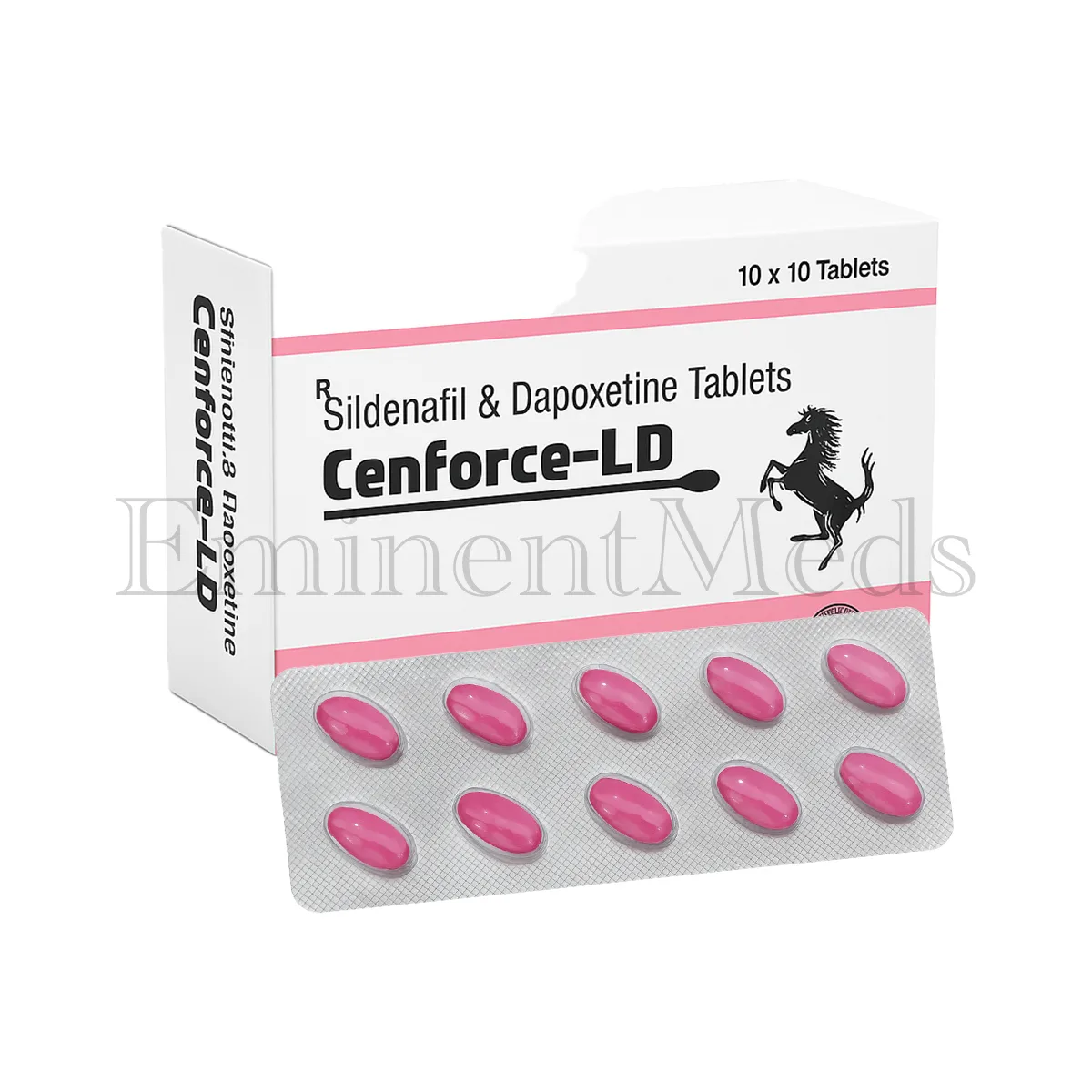
Cenforce LD 100 Mg
Select options This product has multiple variants. The options may be chosen on the product page


What Is Erectile Dysfunction (ED)?
Erectile dysfunction (ED), also known as impotence, is a medical condition in which a man finds it difficult to achieve or maintain an erection firm enough for satisfactory sexual activity. ED is a common condition, especially as men grow older, but it can affect men of all ages.
Erectile dysfunction can develop due to a combination of physical, psychological, and lifestyle-related factors. Conditions that affect blood flow, nerve function, or hormone levels can interfere with normal erectile function. Emotional factors such as stress, anxiety, and depression may also play a significant role in sexual performance.
Beyond its physical impact, erectile dysfunction can affect emotional well-being and relationships. Many men experience reduced self-confidence, emotional distress, and relationship strain due to ongoing ED symptoms. Lifestyle habits such as smoking, excessive alcohol consumption, lack of physical activity, and chronic stress can further worsen erectile function over time.
Common Symptoms of Erectile Dysfunction
Erectile dysfunction may present with one or more of the following symptoms:
- Difficulty achieving an erection when desired.
- Inability to maintain an erection long enough for sexual intercourse.
- Reduced sexual desire or interest in sexual activity.
- Delayed ejaculation or difficulty reaching orgasm.
- Inconsistent erection quality, with erections varying in firmness.
- Increased stress or anxiety related to sexual performance.
- Reduced self-esteem and confidence due to ongoing erectile difficulties.
- Relationship challenges caused by sexual dissatisfaction.
- Symptoms that may indicate underlying health conditions such as diabetes or heart disease.
- Worsening of symptoms due to lifestyle factors such as smoking, alcohol use, or lack of exercise.
Causes of Erectile Dysfunction
Erectile dysfunction can result from a wide range of physical, psychological, and lifestyle-related causes, including:
- Heart disease: Reduced blood flow can make it difficult to achieve or maintain an erection.
- Diabetes: Can damage nerves and blood vessels involved in erectile function.
- Obesity: Often linked to hormonal imbalance and impaired circulation.
- High blood pressure: Can damage blood vessels required for proper erectile function.
- High cholesterol: Contributes to narrowing of blood vessels.
- Smoking: Restricts blood flow to the penis.
- Excessive alcohol consumption: Affects the nervous system and sexual response.
- Sedentary lifestyle: Poor cardiovascular health reduces erectile performance.
- Stress and anxiety: Psychological pressure can interfere with sexual arousal.
- Depression: May reduce sexual desire and affect erectile ability.
- Certain medications: Some blood pressure medicines, antidepressants, and anti-anxiety drugs can cause ED as a side effect.
- Hormonal imbalances: Low testosterone levels can contribute to erectile problems.
- Nerve damage: Conditions such as multiple sclerosis or spinal injuries may impair erectile function.
- Sleep disorders: Poor sleep affects hormones and overall sexual health.
- Peyronie’s disease: Causes abnormal curvature of the penis, making erections painful or difficult.
Types of Erectile Dysfunction
Erectile dysfunction can be classified into several types based on its cause and presentation:
- Primary ED: A lifelong condition where a man has never been able to achieve an erection.
- Secondary ED: Occurs after a period of normal erectile function and is often linked to physical causes.
- Situational ED: Happens only in certain situations or with specific partners, often linked to stress or anxiety.
- Psychogenic ED: Caused primarily by psychological factors such as stress, anxiety, or depression.
- Organic ED: Results from physical causes such as poor blood flow, nerve damage, or hormonal issues.
- Vascular ED: Related to blood vessel problems, commonly associated with heart disease and atherosclerosis.
- Neurogenic ED: Caused by nerve damage due to conditions like spinal injuries or neurological diseases.
- Endocrine ED: Associated with hormonal imbalances, including low testosterone levels.
- Medication-induced ED: Caused by side effects of certain prescription drugs.
- Mixed ED: A combination of both physical and psychological factors.
Erectile Dysfunction Tests and Diagnosis
Erectile dysfunction is typically evaluated by a healthcare professional such as a urologist, endocrinologist, or general physician. In some cases, cardiologists may be involved when ED is linked to cardiovascular health, and mental health professionals may assist when psychological factors are present.
Common diagnostic tests may include:
- Physical examination of the penis and testicles.
- Blood tests to assess hormone levels, blood sugar, cholesterol, kidney, and liver function.
- Complete blood count (CBC).
- Lipid profile.
- Urine tests to identify underlying medical conditions.
- Penile Doppler ultrasound to evaluate blood flow.
- Imaging tests such as magnetic resonance angiography (MRA) in selected cases.


